

Key Takeaway: Sub-Zero Toyota Hybrid Reliability
Toyota hybrid and i-FORCE MAX vehicles perform exceptionally well in sub-zero Wyoming winters, routinely out-starting conventional gas vehicles at -25°F. Because Toyota hybrids use a 240V+ high-voltage traction battery and a high-torque electric motor-generator (MG1) to spin the engine at over 1,000 RPM, they eliminate the sluggish cranking common with conventional 12-volt starters. While drivers should anticipate a temporary 15% to 25% drop in winter fuel economy due to cabin heating and winter-blend fuels, electronic on-demand all-wheel drive (e-AWD) provides instantaneous traction across snow-packed highways and icy mountain passes.
For drivers living along the eastern slope of the Bighorn Mountains—from Sheridan and Ranchester to Buffalo and Gillette, winter is not just a season; it is an endurance test for motor vehicles. When temperatures drop below zero and high-elevation winds whip snow across Interstate 90 and US-14, vehicle reliability becomes a matter of personal safety.
One of the most frequent questions our service advisors and sales consultants hear at Fremont Toyota Sheridan is: "Can a hybrid really handle a brutal Wyoming winter?" Lingering skepticism from early-generation hybrids has led some drivers to believe that battery packs fail in extreme cold, cabins stay frigid, and electric all-wheel drive cannot match mechanical 4x4 systems.
Below, our certified technicians break down the engineering reality of how modern Toyota Hybrid Synergy Drive and i-FORCE MAX powertrains operate in deep-freeze conditions.
1. Cold-Start Engineering: Why Toyota Hybrids Start Faster at -25°F
In a conventional gasoline vehicle, starting an engine at -20°F requires a small, lead-acid 12-volt battery to crank a mechanical starter motor against freezing, viscous motor oil. In sub-zero cold, a 12V battery loses up to 50% of its cranking amperage, resulting in the dreaded slow, groaning crank that often leaves drivers stranded.
Toyota hybrids operate on an entirely different starting architecture:
- No Traditional 12V Starter Motor: Toyota hybrids do not have a conventional starter motor or alternator. Instead, the internal combustion engine is cranked by Motor-Generator 1 (MG1).
- High-Voltage Power (240V+): MG1 is powered by the hybrid traction battery (Nickel-Metal Hydride or Lithium-Ion), delivering massive electrical wattage compared to a standard 12V battery.
- Instant 1,000 RPM Cranking: Rather than slowly churning at 200–250 RPM, MG1 spins the engine up to over 1,000 RPM in a fraction of a second before injecting fuel and spark. This immediate rotational velocity creates rapid compression heat inside the cylinders, producing virtually instantaneous sub-zero ignition.
The Role of the 12-Volt Auxiliary Battery
Toyota hybrids still contain a small 12-volt auxiliary battery, but its sole purpose is to boot up the vehicle's electronic control computers (ECUs) and energize the high-voltage relays. Because it never has to physically crank the engine, it experiences significantly less mechanical strain during winter cold starts.
2. Cabin Heat and Defrosting: Dispelling the Frigid Interior Myth
A common misconception is that because hybrid engines shut off frequently, the heater core cannot produce adequate warm air in sub-zero temperatures. In reality, Toyota hybrid thermal management systems are specifically calibrated for cold-weather climates:
- Automatic Engine Operation: When cabin heating or windshield defrosting is requested and ambient temperatures are low, the hybrid ECU commands the gasoline engine to run continuously until the coolant reaches full operating temperature (typically 150°F–180°F).
- Exhaust Heat Recirculation System (EHRS): Most modern Toyota hybrids feature an exhaust heat exchanger that routes hot exhaust gases around the engine coolant lines during startup. This cuts engine warm-up time in half, delivering blowing cabin heat within minutes of driving.
- Electric PTC Supplemental Heaters: Higher trim levels of models like the RAV4 Prime and Highlander Hybrid incorporate Positive Temperature Coefficient (PTC) ceramic heating elements that warm incoming cabin air electrically before engine coolant is fully heated.
3. Winter MPG Realities: What Fuel Economy Should You Expect?
It is important to maintain realistic expectations regarding winter fuel economy. In Northern Wyoming winter driving, hybrid owners typically observe a 15% to 25% decrease in MPG between December and March. For example:
- A Toyota RAV4 Hybrid averaging 38–40 MPG in summer will typically return 30–33 MPG during sub-zero months.
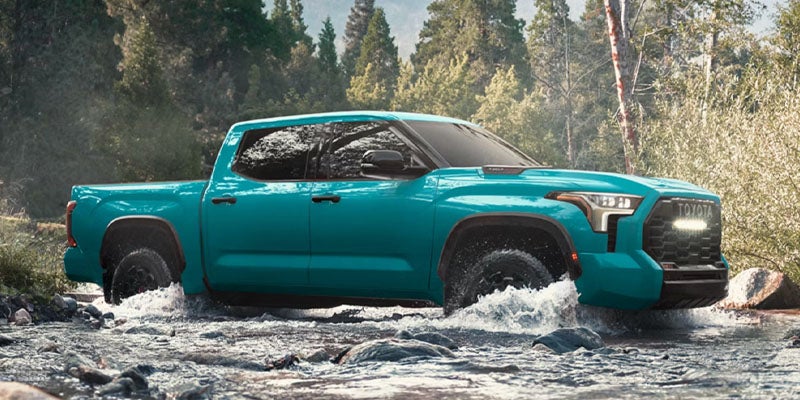
- A Toyota Tundra i-FORCE MAX averaging 20–22 MPG in summer may return 17–19 MPG in winter towing and highway commutes.
Why does this drop occur?
- Cabin Heating Demands: The engine must run longer at idle and low speeds simply to provide thermal energy for the heater core.
- Winter-Blend Gasoline: Wyoming fuel distributors switch to winter-blend fuel containing higher butane ratios, which has roughly 1.5% to 3% lower energy density per gallon.
- Aerodynamic Drag & Rolling Resistance: Frigid sub-zero air is significantly denser than summer air, increasing highway aerodynamic drag. Plowing through slush and packed snow increases rolling friction on tires.
- Battery Thermodynamic Efficiency: Cold electrochemical cells exhibit higher internal resistance, prompting the battery management system to charge and discharge at slightly reduced rates until the pack reaches operating temperature.
Even with this seasonal drop, a Toyota hybrid remains substantially more efficient than its non-hybrid equivalent under identical winter conditions.
4. Electronic All-Wheel Drive (e-AWD) vs. Mechanical 4x4
Toyota utilizes two primary all-wheel-drive architectures across its hybrid vehicle portfolio. Understanding the difference is vital for Wyoming driving:
| System Architecture | Toyota Models | Operating Mechanism | Wyoming Road Capability |
|---|---|---|---|
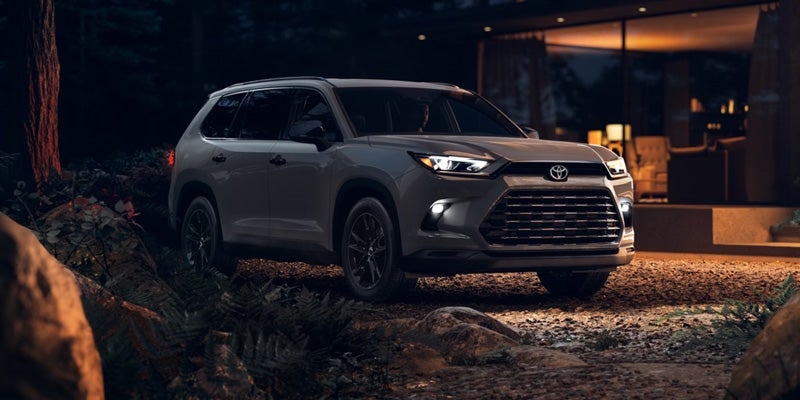
| Electronic On-Demand AWD (e-AWD) | RAV4 Hybrid, Highlander Hybrid, Grand Highlander Hybrid, Sienna, Camry AWD | Independent rear electric motor-generator (no driveshaft connecting front and rear axles). Automatically delivers instant rear torque when front slip is detected. | Outstanding on icy roads, snow-packed highways, and slushy town streets. Zero mechanical latency. |
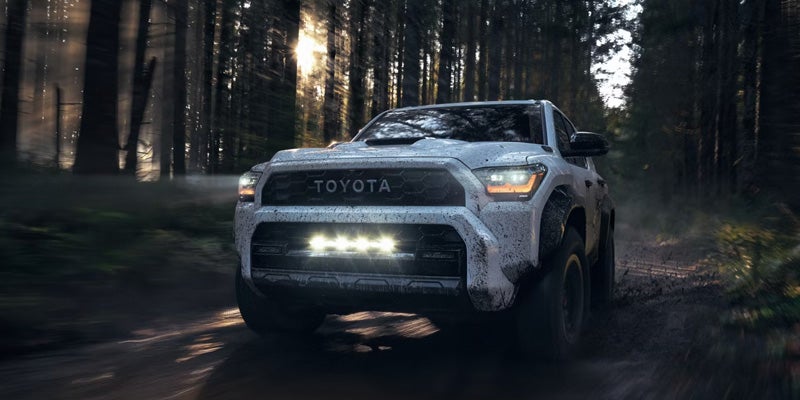
| Mechanical 4WD with i-FORCE MAX | Tundra Hybrid, Sequoia, Tacoma Hybrid, Land Cruiser, 4Runner Hybrid | Heavy-duty transfer case, locking center/rear differentials, and low-range gearing with the hybrid motor sandwiched between engine and transmission. | Maximum off-road, deep unplowed snow, steep mountain passes, and heavy winter towing across the Bighorns. |
5. Certified Winter Hybrid Maintenance Checklist
To ensure your Toyota hybrid delivers uninterrupted performance throughout a Wyoming winter, our certified service team recommends three key maintenance steps:
- Dual Cooling Circuit Inspection: Toyota hybrids utilize two separate cooling loops, one for the internal combustion engine and one for the inverter/converter assembly. Both use Toyota Super Long Life Coolant (SLLC) and must be tested for proper freeze protection down to -35°F.
- High-Voltage Battery Cooling Vent Care: Located beneath the rear seats or cargo area in most models, the hybrid battery intake vent must be kept clear of winter coats, blankets, and pet hair to ensure adequate airflow.
- Winter Tire Installation: All-wheel drive provides acceleration traction, but winter tires provide steering and stopping control on ice. Pairing Toyota’s e-AWD or i-FORCE MAX 4WD with Three-Peak Mountain Snowflake (3PMSF) certified tires delivers the ultimate cold-weather setup.
Ownership Protection: Fremont Care
When you purchase an eligible new or Fremont Certified Pre-Owned Toyota hybrid at Fremont Toyota Sheridan, your vehicle comes with the Fremont Care maintenance plan. This coverage provides 2 oil changes and 2 tire rotations performed by factory-certified technicians within your initial 12 months of ownership.
Frequently Asked Questions: Toyota Hybrids in Wyoming Winter
Will a Toyota hybrid battery freeze solid if left parked outside in Sheridan at -20°F?
No. Both Toyota Nickel-Metal Hydride (NiMH) and Lithium-Ion traction battery packs are engineered to withstand temperatures well below -30°F without freezing. The electrolyte solution used in Toyota hybrid cells has a freezing point far below typical winter weather.
Can you jump-start a Toyota hybrid if the 12-volt battery dies?
Yes. Under the hood, Toyota provides dedicated positive and negative jump-start terminals inside the engine fuse box. You can jump-start the 12V auxiliary system using a standard booster pack or jumper cables from another vehicle to energize the computers and start the hybrid system.
Do Toyota hybrids have block heaters available for winter in Wyoming?
Yes. Genuine Toyota engine block heaters are available and can be installed by our certified technicians at Fremont Toyota Sheridan. Plugging in an engine block heater on sub-zero nights reduces warm-up time, lowers initial engine wear, and produces cabin heat almost immediately.
Are Toyota hybrid brakes affected by winter road salt and magnesium chloride?
Because Toyota hybrids utilize regenerative braking, the mechanical brake pads and rotors are used less frequently than in traditional cars. On winter roads treated with magnesium chloride, our technicians recommend regular high-pressure undercarriage washes and periodic brake caliper slide lubrication to prevent salt-induced corrosion.