

Blog / Sheridan Toyota Dealer

Toyota AWD vs. 4WD Systems Explained for Northern Wyoming

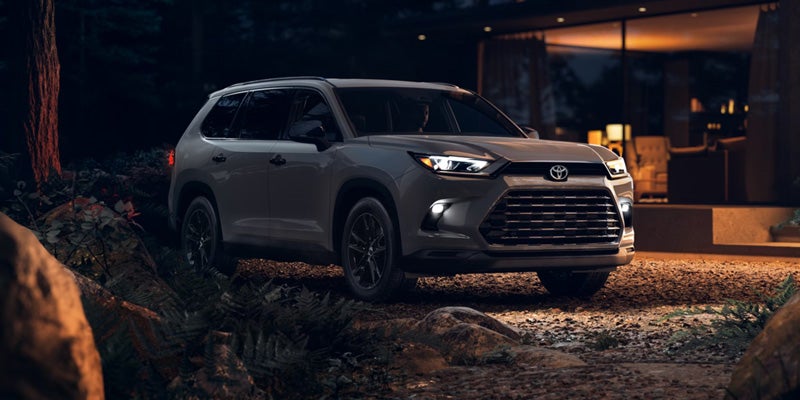
2026 Toyota Land Cruiser with Full-Time 4WD in Northern Wyoming
Prepared by: Fremont Toyota Sheridan Service & Technical Team • Dealership: 1614 Coffeen Ave, Sheridan, WY 82801 • Coverage: 2026 Toyota Lineup

Quick Decision Guide: Toyota AWD vs. 4WD in Sheridan County

Toyota builds five distinct All-Wheel Drive (AWD) and Four-Wheel Drive (4WD) architectures across its 2026 lineup. Selecting the right drivetrain in Northern Wyoming depends on whether your primary routes involve patchy black ice on Interstate 90 or deep, unplowed snowdrifts in the Bighorn Mountains:

  • All-Wheel Drive (Dynamic Torque Control, Dynamic Torque Vectoring, & Electronic On-Demand e-AWD): Engineered for automatic, zero-input traction across alternating bare asphalt, slush, and black ice on I-90 between Sheridan, Buffalo, and Gillette, or daily commutes along Coffeen Avenue and US-87.
  • Full-Time 4WD (with Electronic Locking Center Differential): Combines continuous pavement-safe all-wheel traction with a two-speed transfer case (1.00:1 high / 2.57:1 low range). Built for mixed-surface mountain corridors like US-14 from Ranchester and Dayton up to Burgess Junction where dry pavement transitions abruptly into snowpack.
  • Part-Time 4WD (4WDemand Two-Speed Transfer Case): Mechanically locks the front and rear driveshafts together in 4H and 4L. Built for low-traction snowpack, muddy Sheridan County ranch pastures, steep USFS trails off Red Grade Road, and heavy trailer hauling.

Core Mechanical Differences: Why AWD and 4WD Behave Differently on Wyoming Roads

The mechanical distinction between All-Wheel Drive and Part-Time Four-Wheel Drive centers on how engine torque is divided between the front and rear axles—and whether the drivetrain allows the front and rear wheels to rotate at different speeds when turning a corner on dry pavement.

How Toyota AWD Works on Mixed Pavement

Whenever a vehicle turns a corner, the front wheels travel a wider arc than the rear wheels and must spin faster. Toyota AWD systems use either an electronically controlled multi-plate coupling, twin rear torque-vectoring clutches, or an independent rear electric motor (MGR) instead of a locked mechanical transfer case.

Sheridan Driving Advantage: You never have to flip a switch when windblown snow drifts across a single lane of I-90 near Lake DeSmet while the rest of the highway remains bone dry. The system varies front-to-rear torque automatically without binding in dry parking lots.

How Toyota 4WD Works in Deep Snow & Steep Grades

True 4WD systems on body-on-frame Toyota trucks and SUVs route power through a two-speed mechanical transfer case featuring a Low Range (4L) gear reduction (2.57:1 on Tacoma, 4Runner, and Land Cruiser; 2.640:1 on Tundra and Sequoia).

Sheridan Driving Advantage: Low-range gearing multiplies engine torque at low wheel speeds for crawling through deep snow ruts in Bighorn National Forest, descending steep icy switchbacks on US-14A without overheating brake rotors, or pulling a stock trailer out of a muddy corral.

Toyota's Three All-Wheel Drive (AWD) Architectures Explained

Toyota calibrates three distinct AWD systems for its unibody crossovers, sedans, and hybrid family haulers. Each system addresses specific Northern Wyoming commuting and fuel-efficiency priorities:

  • Electronic On-Demand All-Wheel Drive (e-AWD): Standard on the 2026 RAV4 Hybrid (LE, XLE Premium, SE, XSE, Woodland, and Limited AWD), Corolla Cross Hybrid, Prius AWD, Camry AWD, Sienna AWD, and Grand Highlander Hybrid (2.5L Hybrid LE, XLE, Limited, and Nightshade). Instead of a heavy mechanical propeller shaft running from the transmission to the rear axle, e-AWD mounts an independent interior permanent-magnet rear electric motor (producing 89 lb.-ft. of rear motor torque on the 2026 RAV4 Hybrid) directly between the rear wheels. When accelerating from a frosty stoplight on Main Street or encountering black ice on an I-90 overpass, the rear electric motor applies immediate torque to the rear tires before front-wheel spin can build. On the 2026 RAV4 Hybrid, this system delivers an EPA-estimated 45 city / 39 highway / 42 combined mpg on XLE Premium and XSE AWD trims (41 city / 36 highway / 39 combined mpg on Woodland AWD with factory all-terrain tires and 8.5 inches of ground clearance).
  • Dynamic Torque Control AWD: Equipped on gas-powered 2026 Grand Highlander AWD trims (LE, XLE, Limited, and Platinum with the 265-hp / 310 lb.-ft. 2.4L turbocharged four-cylinder engine) and the 2026 Highlander XLE AWD. Under steady highway cruising between Sheridan and Gillette, the system operates in 100% front-wheel drive to conserve fuel (achieving an EPA-estimated 21 city / 27 highway / 23 combined mpg on Grand Highlander Gas LE/XLE AWD). The moment wheel-speed, yaw-rate, or steering-angle sensors detect front slip, an electromagnetic coupling positioned ahead of the rear differential engages to send up to 50% of available torque to the rear axle.
  • Dynamic Torque Vectoring AWD (DTV-AWD) with Driveline Disconnect: Standard on 2026 Highlander XSE, Limited, and Platinum AWD grades (paired with the 265-hp 2.4L turbocharged engine and 8-speed automatic transmission, rated at an EPA-estimated 21 city / 28 highway / 24 combined mpg). DTV-AWD upgrades the rear differential with independent left and right electromagnetic couplings. Beyond splitting torque up to 50:50 front-to-rear, it actively distributes rear axle torque from 0:100 to 100:0 between the left and right rear wheels to sharpen cornering stability on winding mountain highways. When AWD is not needed on dry interstate stretches, a dog-clutch driveline disconnect physically decouples the central driveshaft to eliminate parasitic rotational drag.
  • Full-Time Electronic AWD (Hybrid MAX): Standard on 2026 Grand Highlander Hybrid MAX (Limited and Platinum AWD) and Toyota Crown Platinum. Combining a 2.4L turbocharged engine and front electric motor with a high-output rear eAxle motor, the Grand Highlander Hybrid MAX generates 362 net combined horsepower and 400 lb.-ft. of net combined torque at 2,000–3,000 rpm. It varies front-to-rear torque between 70:30 and 20:80 continuously, delivering a 5,000-lb. maximum towing capacity when properly equipped alongside an EPA-estimated 26 city / 27 highway / 27 combined mpg.

Toyota's Two Four-Wheel Drive (4WD) Systems Explained

For body-on-frame trucks and SUVs built on the TNGA-F global truck platform—including the 2026 Tacoma, 4Runner, Land Cruiser, Tundra, and Sequoia—Toyota offers two distinct mechanical 4x4 transfer case architectures:

1. Part-Time 4WD (4WDemand) with Two-Speed Transfer Case

Part-Time 4WD is the workhorse drivetrain on core 4x4 grades of the 2026 Tacoma (SR, SR5, TRD Sport, TRD Off-Road, TRD Pro, and Trailhunter), 2026 4Runner (SR5, TRD Sport, TRD Off-Road, TRD Pro, and Trailhunter), 2026 Tundra 4x4, and 2026 Sequoia 4x4. Drivers control the electronically actuated two-speed transfer case via a console dial with three positions:

  • 2H (Two-Wheel Drive High): Routes 100% of engine torque to the rear axle, supported by Toyota's Automatic Limited-Slip Differential (Auto LSD), which uses brake intervention to control single-wheel spin on wet or dusty pavement.
  • 4H (Four-Wheel Drive High, 1.00:1 Ratio): Can be engaged electronically on the fly at highway speeds (up to 60 mph). Shifting into 4H mechanically locks the front and rear driveshafts together at an exact 50:50 rotational speed. Use 4H on snow-packed highways, gravel Sheridan County ranch roads, mud, or ice. Important Mechanical Rule: Because there is no center differential in a Part-Time 4WD transfer case, never drive in 4H on dry, bare pavement—tight turns on high-grip asphalt will cause the drivetrain to bind and hop.
  • 4L (Four-Wheel Drive Low, 2.57:1 on Tacoma/4Runner or 2.640:1 on Tundra/Sequoia): Engaged while stopped in Neutral, 4L multiplies engine torque by more than 2.5 times at the wheels. Combined with Active Traction Control (A-TRAC) and the electronically controlled locking rear differential (standard on TRD Off-Road, TRD Pro, and Trailhunter trims), 4L forces both rear wheels to turn at the exact same speed to pull through deep snowdrifts or steep, rocky climbs in the Bighorns.

2. Full-Time 4WD with Electronic Locking Center Differential

Full-Time 4WD is standard on every 2026 Toyota Land Cruiser (1958 and Land Cruiser grades), standard on the 2026 4Runner Platinum (and i-FORCE MAX 4Runner Limited), and standard on the 2026 Tacoma Limited with i-FORCE MAX. This system bridges the gap between everyday AWD convenience and heavy-duty 4WD capability:

  • Torsen Limited-Slip Center Differential (Unlocked Mode): In normal driving (H4F), a center differential allows the front and rear driveshafts to rotate at different speeds during turns while continuously sending power to all four wheels. Drivers can leave the vehicle in Full-Time 4WD 365 days a year—including dry asphalt in downtown Sheridan, wet rain in Story, and patchy snowpack up US-14—with zero driveline binding.
  • Electronic Center Differential Lock (H4L & L4L): When climbing into deep snowpack around Burgess Junction or navigating unplowed two-tracks, pressing the center differential lock button mechanically locks the front and rear driveshafts into a rigid 50:50 split, matching the locked traction of a Part-Time 4WD truck in both high range (1.00:1) and low range (2.57:1). In addition, the 2026 Land Cruiser includes a standard push-button electronic locking rear differential for severe off-camber recovery situations.

2026 Toyota AWD & 4WD Specification & Capability Comparison Matrix

Compare verified 2026 Toyota OEM specifications—including drivetrain architecture, transfer case ratios, ground clearance, and maximum SAE J2807 towing capacities when properly equipped—across our most popular Northern Wyoming models:

2026 Model & Grade Drivetrain System Powertrain & Output Transfer Case Ratio (High / Low) Ground Clearance Max Towing Capacity (When Properly Equipped)
2026 RAV4 Hybrid
(LE, XLE Prem, SE, XSE, Woodland, Limited AWD)
Electronic On-Demand AWD (e-AWD) with 89 lb.-ft. Rear Electric Motor (MGR) 2.5L Hybrid ECVT
236 Net Combined HP
Single-Speed e-AWD
(Trail & Snow Modes)
8.1 in.
(8.5 in. Woodland)
Up to 3,500 lbs.
(1,750 lbs. LE AWD)
2026 Highlander AWD
(XLE / XSE, Limited, Platinum)
AWD (XLE) or Dynamic Torque Vectoring AWD (DTV-AWD) w/ Driveline Disconnect 2.4L Turbo 8AT
265 HP / 310 lb.-ft.
Single-Speed AWD
(MTS Dial on DTV-AWD)
8.0 in. Up to 5,000 lbs.
2026 Grand Highlander
(Gas AWD / Hybrid AWD / Hybrid MAX AWD)
Dynamic Torque Control AWD (Gas), e-AWD (2.5L Hybrid), or Full-Time Electronic AWD (Hybrid MAX) Gas: 265 HP / 310 lb.-ft.
Hybrid: 245 Net HP
Hybrid MAX: 362 Net HP / 400 lb.-ft.
Single-Speed AWD
(Multi-Terrain Select on AWD)
8.0 in. Up to 5,000 lbs. (Gas & Hybrid MAX)
Up to 3,500 lbs. (2.5L Hybrid)
2026 Land Cruiser
(1958 & Land Cruiser Grades)
Full-Time 4WD w/ Electronic Locking Center Diff & Standard Rear Locking Diff 2.4L Turbo i-FORCE MAX Hybrid 8AT
326 HP / 465 lb.-ft.
1.00:1 High / 2.57:1 Low
(3.583 Final Drive)
8.7 in. Up to 6,000 lbs.
2026 4Runner 4x4
(SR5, TRD Sport, TRD Off-Road, Limited, Platinum, TRD Pro, Trailhunter)
Part-Time 4WD (SR5, Sport, Off-Road, Pro, Trailhunter) or Full-Time 4WD (Platinum & Avail. Limited) i-FORCE: 278 HP / 317 lb.-ft.
i-FORCE MAX: 326 HP / 465 lb.-ft.
1.00:1 High / 2.57:1 Low
(Rear Locker on Off-Road, Pro, TH)
8.1 in. (SR5) to
10.1 in. (TRD Pro / Trailhunter)
Up to 6,000 lbs.
2026 Tacoma 4x4
(SR, SR5, TRD Sport, TRD Off-Road, Limited, TRD Pro, Trailhunter)
Part-Time 4WD (Core Grades) or Full-Time 4WD (Limited i-FORCE MAX) i-FORCE: Up to 278 HP / 317 lb.-ft.
i-FORCE MAX: Up to 326 HP / 465 lb.-ft.
1.00:1 High / 2.57:1 Low
(Rear Locker on Off-Road, Pro, TH)
Up to 11.5 in.
(TRD Pro Running Clearance)
Up to 6,500 lbs. (4x4 XtraCab i-FORCE)
Up to 6,000 lbs. (i-FORCE MAX)
2026 Tundra 4x4
(SR, SR5, Limited, Platinum, 1794, TRD Pro, Capstone)
4WDemand Part-Time 4WD w/ Electronically Controlled 2-Speed Transfer Case i-FORCE 3.4L TT V6: Up to 389 HP / 479 lb.-ft.
i-FORCE MAX: 437 HP / 583 lb.-ft.
1.000:1 High / 2.640:1 Low
(3.31 Differential Ratio)
8.5 in. to 9.4 in.
(Up to 11.2 in. Running Clearance)
Up to 11,200 lbs. (4x4 Double Cab SR5)
Up to 11,175 lbs. (4x4 CrewMax TRD Pro)
2026 Sequoia 4x4
(SR5, Limited, Platinum, 1794, TRD Pro, Capstone)
4WDemand Part-Time 4WD w/ Electronically Controlled 2-Speed Transfer Case i-FORCE MAX 3.4L TT V6 Hybrid 10AT
437 HP / 583 lb.-ft.
1.000:1 High / 2.640:1 Low
(Rear Locker on TRD Pro & TRD Off-Road)
8.6 in.
(9.1 in. TRD Pro)
Up to 9,120 lbs. (SR5 4WD)
Up to 9,020 lbs. (TRD Pro 4WD)

Matching Your Drivetrain to Northern Wyoming Routes & Conditions

Different highways and county roads around Sheridan County place very different mechanical demands on your vehicle's driveline. Here is how our technicians at Fremont Toyota Sheridan help local buyers match their daily routes to the right system:

  1. Interstate 90 Commutes (Sheridan to Buffalo, Ranchester, & Gillette): High-speed winter driving on I-90 frequently involves 75-mph stretches of dry pavement broken up by sudden ground blizzards, shaded canyon curves, and icy bridge decks over Goose Creek or Piney Creek. Best Match: Electronic On-Demand AWD (RAV4 Hybrid, Grand Highlander Hybrid), Dynamic Torque Vectoring AWD (Highlander Limited/Platinum), or Full-Time 4WD (Land Cruiser, 4Runner Platinum/Limited). These systems remain engaged at highway speeds and adjust torque automatically without requiring driver intervention.
  2. Climbing US-14 & US-14A Into the Bighorn Mountains: Ascending from Dayton (3,927 ft) past Steamboat Point toward Burgess Junction (8,040 ft) or Granite Pass (9,033 ft) combines steep 6% to 8% grades with tight switchbacks and packed snow. Best Match: Full-Time 4WD (2026 Land Cruiser, 4Runner Limited/Platinum) or Part-Time 4WD with Multi-Terrain Select (4Runner TRD Off-Road, Tacoma TRD Off-Road). Notice that on the 2026 4Runner and Tacoma, Multi-Terrain Select (MTS) now operates in both 4WD-High and 4WD-Low, allowing drivers to calibrate wheel-slip thresholds for packed snow and dirt even at moderate mountain speeds.
  3. Red Grade Road, Story Backroads, & Unplowed Ranch Two-Tracks: Deep, rutted snowdrifts, spring gumbo mud, and steep rocky forest service roads require high ground clearance (9.1 to 11.5 inches), low-range gear multiplication (4L), and mechanical differential locks. Best Match: Part-Time 4WD or Full-Time 4WD equipped with an Electronic Locking Rear Differential and Crawl Control (Tacoma TRD Off-Road / TRD Pro / Trailhunter, 4Runner TRD Off-Road / TRD Pro / Trailhunter, Land Cruiser, or Tundra TRD Pro).
  4. Winter Livestock, Horse Trailer, & Snowmobile Hauling: Pulling a loaded multi-place enclosed snowmobile trailer up the Bighorns or hauling cattle trailers across Sheridan and Johnson Counties requires a rigid boxed-steel frame, long wheelbase stability, integrated Trailer Brake Controller (TBC), and low-rpm turbocharged torque. Best Match: 2026 Tundra 4x4 (up to 11,200 lbs. 4x4 max towing capacity when properly equipped) or 2026 Sequoia 4x4 (up to 9,120 lbs. 4WD max towing capacity when properly equipped) with 4WDemand Part-Time 4WD and 583 lb.-ft. of i-FORCE MAX torque at 2,400 rpm.

Cold-Weather Driveline Care & Service at Fremont Toyota Sheridan

Sub-zero temperatures in Northern Wyoming place heavy thermal and mechanical loads on differentials, transfer cases, and tires. Our factory-certified Toyota technicians at 1614 Coffeen Avenue recommend three key winter service practices to protect your AWD or 4WD system:

  • Transfer Case & Differential Fluid Inspections: Trucks and SUVs that regularly tow trailers, plow through deep snow, or operate in 4H and 4L experience accelerated shear wear in front and rear differential gear oil and transfer case fluid. Using genuine Toyota synthetic low-viscosity gear lubricants prevents stiff shifting and cold-morning driveline drag at -20°F.
  • Matching Tire Tread Depth Across All Four Corners: On AWD and Full-Time 4WD vehicles, running tires with uneven circumference (caused by skipping rotations or replacing only one damaged tire) forces the center coupling or Torsen differential to slip continuously, generating excess heat and premature wear. Regular 5,000-mile tire rotations keep tread depths uniform across both axles.
  • Pairing AWD/4WD with 3PMSF Winter Tires: While AWD and 4WD dramatically improve forward acceleration on snow, all four-wheel-drive vehicles still rely on tire-to-road friction to steer and stop on glare ice. Installing cold-weather winter tires or Three-Peak Mountain Snowflake (3PMSF) rated all-terrain tires with custom winter tire siping shortens stopping distances on icy Sheridan intersections.

Factory Scheduled Maintenance: ToyotaCare Coverage

Every new Toyota purchase or lease at Fremont Toyota Sheridan includes ToyotaCare, a factory maintenance plan covering normal factory-scheduled service and 24-hour roadside assistance for 2 years or 25,000 miles, whichever comes first. For shoppers selecting a qualifying pre-owned vehicle from our Sheridan lot, Fremont Care comes with eligible pre-owned vehicle purchases and provides 2 oil changes and 2 tire rotations within the initial 12 months of ownership.

Frequently Asked Questions: Toyota AWD & 4WD in Sheridan, WY

Can I leave my Toyota Tacoma or Tundra in 4H all winter in Sheridan?

No, unless you are driving a Tacoma Limited equipped with Full-Time 4WD. Standard Part-Time 4WD models (Tacoma SR, SR5, TRD Sport, TRD Off-Road, TRD Pro, Trailhunter, and all Tundra 4x4 trims) mechanically lock the front and rear driveshafts together in 4H. You should engage 4H whenever roads are covered in snow, slush, mud, or ice, and shift back into 2H once you return to dry, bare pavement so the drivetrain does not bind during turns.

How fast can I shift my Toyota 4Runner or Tundra from 2H to 4H?

Toyota's electronically controlled 4WDemand part-time 4WD system allows shift-on-the-fly engagement from 2H to 4H at speeds up to 60 mph. Simply ease off the accelerator pedal briefly while turning the selector dial so the transfer case synchronizers can engage smoothly without load. Shifting into Low Range (4L) always requires bringing the vehicle to a complete stop and placing the transmission in Neutral.

Which 2026 Toyota SUVs have Full-Time 4WD instead of Part-Time 4WD?

For the 2026 model year, Full-Time 4WD with a two-speed transfer case and electronic locking center differential is standard on all 2026 Toyota Land Cruiser grades (1958 and Land Cruiser), standard on the 2026 4Runner Platinum, and standard on i-FORCE MAX configurations of the 2026 4Runner Limited (and available on gas 4Runner Limited). The 2026 Tacoma Limited with i-FORCE MAX also features Full-Time 4WD.

Does the 2026 RAV4 Hybrid AWD have a mechanical driveshaft to the rear wheels?

No. The 2026 RAV4 Hybrid uses Electronic On-Demand All-Wheel Drive (e-AWD), which powers the rear axle via an independent Rear Motor (MGR) rated at 89 lb.-ft. of torque. Because the system is controlled electronically rather than mechanically, it engages rear traction instantaneously when starting on ice and eliminates central driveshaft weight and drag.

Test Drive Toyota AWD & 4WD Models at Fremont Toyota Sheridan

Compare Electronic On-Demand AWD, Dynamic Torque Vectoring AWD, Full-Time 4WD, and Part-Time 4x4 side by side with our team at 1614 Coffeen Ave, Sheridan, WY 82801. Whether you need a fuel-sipping hybrid commuter for I-90 or a trail-ready truck for the Bighorn Mountains, our sales and factory-certified service teams are ready to help.

*EPA-estimated fuel economy ratings shown are for comparison purposes only; actual mileage will vary based on driving conditions, vehicle maintenance, cold-weather operation, and optional equipment. Maximum towing capacities require proper equipment, factory tow packages, and hitch hardware; never exceed GVWR, GAWR, or GCWR limits specified in your Toyota Owner's Manual. ToyotaCare covers normal factory scheduled service for 2 years or 25,000 miles, whichever comes first. Fremont Care comes with eligible pre-owned vehicle purchases and includes 2 oil changes and 2 tire rotations within the initial 12 months of ownership; see Fremont Toyota Sheridan for complete program eligibility details.
Posted in:

Related Posts

Toyota Grand Highlander

Toyota Hybrids in Sub-Zero Wyoming Winters: Real-World Battery, Cabin Heat, & 4WD Performance

Published by: Fremont Toyota Sheridan Technical Team • Location: Sheridan, Wyoming • Updated for: 2026 Winter Season Key Takeaway: Sub-Zero Toyota Hybrid Reliability Toyota hybrid and i-FORCE MAX vehicles perform exceptionally well in sub-zero Wyoming winters, routinely out-starting conventional gas vehicles at -25°F. Because Toyota hybrids use a 240V+ high-voltage traction battery and a high-torque electric motor-generator (MG1) to spin the engine at over 1,000 RPM, they eliminate the sluggish cranking common with conventional 12-volt starters. While drivers should anticipate a temporary 15% to 25% drop in winter fuel economy due to cabin heating and winter-blend fuels, electronic on-demand all-wheel drive (e-AWD) provides instantaneous traction across snow-packed highways and icy mountain passes. For drivers living along the eastern slope of the Bighorn Mountains—from Sheridan and Ranchester to Buffalo and Gillette, winter is not just a season; it is an endurance test for motor vehicles. When temperatures drop below zero and high-elevation winds whip snow across Interstate 90 and US-14, vehicle reliability becomes a matter of personal safety. One of the most frequent questions our service advisors and sales consultants hear at Fremont Toyota Sheridan is: "Can a hybrid really handle a brutal Wyoming winter?" Lingering skepticism from early-generation hybrids has led some drivers to believe that battery packs fail in extreme cold, cabins stay frigid, and electric all-wheel drive cannot match mechanical 4x4 systems. Below, our certified technicians break down the engineering reality of how modern Toyota Hybrid Synergy Drive and i-FORCE MAX powertrains operate in deep-freeze conditions. 1. Cold-Start Engineering: Why Toyota Hybrids Start Faster at -25°F In a conventional gasoline vehicle, starting an engine at -20°F requires a small, lead-acid 12-volt battery to crank a mechanical starter motor against freezing, viscous motor oil. In sub-zero cold, a 12V battery loses up to 50% of its cranking amperage, resulting in the dreaded slow, groaning crank that often leaves drivers stranded. Toyota hybrids operate on an entirely different starting architecture: No Traditional 12V Starter Motor: Toyota hybrids do not have a conventional starter motor or alternator. Instead, the internal combustion engine is cranked by Motor-Generator 1 (MG1). High-Voltage Power (240V+): MG1 is powered by the hybrid traction battery (Nickel-Metal Hydride or Lithium-Ion), delivering massive electrical wattage compared to a standard 12V battery. Instant 1,000 RPM Cranking: Rather than slowly churning at 200–250 RPM, MG1 spins the engine up to over 1,000 RPM in a fraction of a second before injecting fuel and spark. This immediate rotational velocity creates rapid compression heat inside the cylinders, producing virtually instantaneous sub-zero ignition. The Role of the 12-Volt Auxiliary Battery Toyota hybrids still contain a small 12-volt auxiliary battery, but its sole purpose is to boot up the vehicle's electronic control computers (ECUs) and energize the high-voltage relays. Because it never has to physically crank the engine, it experiences significantly less mechanical strain during winter cold starts. 2. Cabin Heat and Defrosting: Dispelling the Frigid Interior Myth A common misconception is that because hybrid engines shut off frequently, the heater core cannot produce adequate warm air in sub-zero temperatures. In reality, Toyota hybrid thermal management systems are specifically calibrated for cold-weather climates: Automatic Engine Operation: When cabin heating or windshield defrosting is requested and ambient temperatures are low, the hybrid ECU commands the gasoline engine to run continuously until the coolant reaches full operating temperature (typically 150°F–180°F). Exhaust Heat Recirculation System (EHRS): Most modern Toyota hybrids feature an exhaust heat exchanger that routes hot exhaust gases around the engine coolant lines during startup. This cuts engine warm-up time in half, delivering blowing cabin heat within minutes of driving. Electric PTC Supplemental Heaters: Higher trim levels of models like the RAV4 Prime and Highlander Hybrid incorporate Positive Temperature Coefficient (PTC) ceramic heating elements that warm incoming cabin air electrically before engine coolant is fully heated. 3. Winter MPG Realities: What Fuel Economy Should You Expect? It is important to maintain realistic expectations regarding winter fuel economy. In Northern Wyoming winter driving, hybrid owners typically observe a 15% to 25% decrease in MPG between December and March. For example: A Toyota RAV4 Hybrid averaging 38–40 MPG in summer will typically return 30–33 MPG during sub-zero months. A Toyota Tundra i-FORCE MAX averaging 20–22 MPG in summer may return 17–19 MPG in winter towing and highway commutes. Why does this drop occur? Cabin Heating Demands: The engine must run longer at idle and low speeds simply to provide thermal energy for the heater core. Winter-Blend Gasoline: Wyoming fuel distributors switch to winter-blend fuel containing higher butane ratios, which has roughly 1.5% to 3% lower energy density per gallon. Aerodynamic Drag & Rolling Resistance: Frigid sub-zero air is significantly denser than summer air, increasing highway aerodynamic drag. Plowing through slush and packed snow increases rolling friction on tires. Battery Thermodynamic Efficiency: Cold electrochemical cells exhibit higher internal resistance, prompting the battery management system to charge and discharge at slightly reduced rates until the pack reaches operating temperature. Even with this seasonal drop, a Toyota hybrid remains substantially more efficient than its non-hybrid equivalent under identical winter conditions. 4. Electronic All-Wheel Drive (e-AWD) vs. Mechanical 4x4 Toyota utilizes two primary all-wheel-drive architectures across its hybrid vehicle portfolio. Understanding the difference is vital for Wyoming driving: System Architecture Toyota Models Operating Mechanism Wyoming Road Capability Electronic On-Demand AWD (e-AWD) RAV4 Hybrid, Highlander Hybrid, Grand Highlander Hybrid, Sienna, Camry AWD Independent rear electric motor-generator (no driveshaft connecting front and rear axles). Automatically delivers instant rear torque when front slip is detected. Outstanding on icy roads, snow-packed highways, and slushy town streets. Zero mechanical latency. Mechanical 4WD with i-FORCE MAX Tundra Hybrid, Sequoia, Tacoma Hybrid, Land Cruiser, 4Runner Hybrid Heavy-duty transfer case, locking center/rear differentials, and low-range gearing with the hybrid motor sandwiched between engine and transmission. Maximum off-road, deep unplowed snow, steep mountain passes, and heavy winter towing across the Bighorns. 5. Certified Winter Hybrid Maintenance Checklist To ensure your Toyota hybrid delivers uninterrupted performance throughout a Wyoming winter, our certified service team recommends three key maintenance steps: Dual Cooling Circuit Inspection: Toyota hybrids utilize two separate cooling loops, one for the internal combustion engine and one for the inverter/converter assembly. Both use Toyota Super Long Life Coolant (SLLC) and must be tested for proper freeze protection down to -35°F. High-Voltage Battery Cooling Vent Care: Located beneath the rear seats or cargo area in most models, the hybrid battery intake vent must be kept clear of winter coats, blankets, and pet hair to ensure adequate airflow. Winter Tire Installation: All-wheel drive provides acceleration traction, but winter tires provide steering and stopping control on ice. Pairing Toyota’s e-AWD or i-FORCE MAX 4WD with Three-Peak Mountain Snowflake (3PMSF) certified tires delivers the ultimate cold-weather setup. Ownership Protection: Fremont Care When you purchase an eligible new or Fremont Certified Pre-Owned Toyota hybrid at Fremont Toyota Sheridan, your vehicle comes with the Fremont Care maintenance plan. This coverage provides 2 oil changes and 2 tire rotations performed by factory-certified technicians within your initial 12 months of ownership. Frequently Asked Questions: Toyota Hybrids in Wyoming Winter Will a Toyota hybrid battery freeze solid if left parked outside in Sheridan at -20°F? No. Both Toyota Nickel-Metal Hydride (NiMH) and Lithium-Ion traction battery packs are engineered to withstand temperatures well below -30°F without freezing. The electrolyte solution used in Toyota hybrid cells has a freezing point far below typical winter weather. Can you jump-start a Toyota hybrid if the 12-volt battery dies? Yes. Under the hood, Toyota provides dedicated positive and negative jump-start terminals inside the engine fuse box. You can jump-start the 12V auxiliary system using a standard booster pack or jumper cables from another vehicle to energize the computers and start the hybrid system. Do Toyota hybrids have block heaters available for winter in Wyoming? Yes. Genuine Toyota engine block heaters are available and can be installed by our certified technicians at Fremont Toyota Sheridan. Plugging in an engine block heater on sub-zero nights reduces warm-up time, lowers initial engine wear, and produces cabin heat almost immediately. Are Toyota hybrid brakes affected by winter road salt and magnesium chloride? Because Toyota hybrids utilize regenerative braking, the mechanical brake pads and rotors are used less frequently than in traditional cars. On winter roads treated with magnesium chloride, our technicians recommend regular high-pressure undercarriage washes and periodic brake caliper slide lubrication to prevent salt-induced corrosion. Browse New Toyota Hybrid Inventory Schedule Winter Maintenance in Sheridan

Engineering the Ultimate Toyota Off Road Experience

Building a vehicle that can handle the semi-arid rolling plains of Gillette and the rugged foothills of the Bighorn Mountains requires more than just high ground clearance. It demands a specialized integration of mechanical hardware and software. Our team knows that for many local drivers, a 4x4 system is a necessity for navigating unpaved ranch roads and seasonal snow drifts. Toyota has spent decades refining body-on-frame platforms like the TNGA-F, which provides the structural rigidity needed to prevent frame flex when crawling over uneven terrain. This foundation supports advanced components like electronically controlled locking rear differentials and stabilizer bar disconnect systems that allow for maximum wheel articulation. When you are preparing for a weekend of hunting or fishing, the technology inside these vehicles acts as a silent partner. Features such as Crawl Control function as a low-speed off-road cruise control, managing throttle and braking so you can focus entirely on steering through tight obstacles. This is complemented by the Multi-Terrain Select system, which allows you to calibrate engine and traction settings for specific surfaces like loose rock, mud, or sand. For those who need to see exactly where their tires are placed, the Multi-Terrain Monitor uses cameras to provide a clear view of the trail directly beneath and around the vehicle. Toyota Tacoma. Photo: Toyota We believe the best way to understand these capabilities is to see them in person. If you are traveling from nearby areas, you can find our showroom on Coffeen Ave, where our specialists can walk you through the specific hardware on each model. If you have a specific technical question about approach angles or skid plate protection, feel free to give us a quick call at (307) 763-5619 before you make the drive. Table of Contents Comparing the Best Toyota Off Road Models for Rugged Trails Drivetrain Technology and Mechanical Hardware of the Tacoma On-Road Comfort vs Trail Dominance: Land Cruiser and Competitors Essential Maintenance and Driveshaft Care for 4x4 Toyotas Quick Answers Before You Visit Start Your Next Adventure at Fremont Toyota Sheridan Comparing the Best Toyota Off Road Models for Rugged Trails Choosing the right model often depends on whether you prioritize open-bed utility or enclosed cargo space. The 2026 Toyota Tacoma remains a primary choice for those who need a workhorse that doubles as a trail machine. The lineup expands from the foundational SR trim up to specialized off-road variants like the overland-ready Trailhunter and the high-speed TRD Pro, which feature heavy-duty suspensions and advanced hybrid setups. These models are particularly popular with professionals in the energy sector who need a dependable vehicle that can transition from a job site in the Powder River Basin to a remote mountain trail without hesitation. Toyota 4Runner. Photo: Toyota The 2026 Toyota 4Runner continues its legacy as a dedicated body-on-frame SUV. As part of its modern sixth generation, the TRD Off-Road trim is a standout for those who want a balance of daily comfort and serious trail hardware. Unlike the Tacoma, the 4Runner offers a completely protected interior for gear, which is often preferred by families who enjoy camping trips near Buffalo. If your adventures require even more sophisticated tech, the 2026 Toyota Land Cruiser comes standard with full-time 4WD and a center locking differential, offering immense utility beginning with its heritage-inspired Land Cruiser 1958 trim. To help you decide which configuration fits your lifestyle, we maintain a diverse selection of new Toyota inventory on our lot. We also recognize that many of our customers value the long-term durability of these vehicles, which is why we offer a variety of quality used vehicles that have been thoroughly inspected. Whether you need the 6,000-lb towing capacity of the Land Cruiser or the impressive payload capacities of the Tacoma, we can help you compare the specs side-by-side. Drivetrain Technology and Mechanical Hardware of the Tacoma The mechanical soul of the Tacoma lies in its highly versatile drivetrain options. While the TRD PreRunner is dedicated strictly to a RWD layout with an integrated front suspension lift, trims like the SR, SR5, and TRD Sport can be configured in either RWD or 4WD. Dedicated off-road and premium grades—including the TRD Off-Road, Limited, Trailhunter, and TRD Pro —come standard with 4WD capabilities. These 4x4 models primarily use a part-time system featuring an electronically controlled two-speed transfer case, allowing you to shift between high-range and low-range gearing depending on the severity of the terrain. The Limited trim with the hybrid upgrade elevates this to full-time 4WD with an electronic locking center differential. Furthermore, the inclusion of an electronic locking rear differential on trims like the TRD Off-Road ensures that power is distributed equally to both rear wheels, providing the traction necessary to pull through deep mud or over slick rocks. Drivetrain & Transmission Options Configuration SR TRD PreRunner SR5 TRD Sport TRD Off Road Limited Trailhunter TRD Pro Available Drivetrain RWD or 4WD RWD Only RWD or 4WD RWD or 4WD 4WD Only 4WD Only 4WD Only 4WD Only Transmission Choices 8-Speed Auto / 6-Speed Manual 8-Speed Auto 8-Speed Auto 8-Speed Auto / 6-Speed Manual 8-Speed Auto / 6-Speed Manual 8-Speed Auto 8-Speed Auto 8-Speed Auto Every 2026 Tacoma in our lineup is powered by a 2.4L Turbocharged I4 engine platform, but power delivery varies across the range. The base gas engine provides highly efficient muscle, while upper tiers feature the ultra-potent i-FORCE MAX Hybrid powertrain standard. This hybrid configuration throws down a massive 326 horsepower and 465 lb-ft of torque, giving you instantaneous low-end power on the trail. For truck purists, a row-your-own 6-speed intelligent Manual Transmission (6MT) with automatic rev-matching is available on 4WD Double Cab configurations of the SR, TRD Sport, and TRD Off-Road. For those looking to customize their truck for specific utility needs, packages like the 3 Molle Panel Set provide organized storage for tools and recovery gear in the bed. We also see many owners opting for All-Weather Floor Liners and Paint Protection Film to guard against the grit and gravel common on Wyoming backroads. These practical additions help maintain the vehicle’s condition while you are out exploring. If you are ready to feel how the steering handles or how the brakes respond on a descent, you can schedule a test drive in a new Tacoma today. For those considering our pre-owned options, we also make it easy to book a test drive for a used truck. Before you visit, you might want to value your trade-in online to see how your current vehicle can help you move into a newer, more capable Toyota. On-Road Comfort vs Trail Dominance: Land Cruiser and Competitors A common question we hear involves how the Land Cruiser compares to rivals like the Ford Bronco, especially regarding highway manners. While the Bronco is a formidable off-roader, the 2026 Toyota Land Cruiser is built on the TNGA-F global truck platform, which is designed to provide a quieter and more composed ride on the pavement. The fixed-roof design of the Land Cruiser significantly reduces wind noise compared to removable-top competitors, making it a much better companion for the long highway stretches between Billings and Sheridan. Inside, the Land Cruiser features premium materials and a standard Toyota Safety Sense 3.0 suite, which includes an enhanced Pre-Collision System with Pedestrian Detection. Toyota Land Cruiser. Photo: Toyota The Land Cruiser’s i-FORCE MAX hybrid powertrain is not just about efficiency; it provides a substantial boost in torque that is felt immediately when merging onto the interstate or towing a trailer. With a max towing capacity of 6,000 lb, it is more than capable of hauling a midsize camper or a pair of ATVs. This blend of luxury and utility makes it a versatile choice for professionals who need a professional-looking vehicle for the work week that can still tackle a rugged mountain pass on Saturday. We want to make the transition into a new Land Cruiser as straightforward as possible. You can start the process from the comfort of your home by completing our online finance application. This allows our team to work on finding competitive options tailored to your budget before you even step foot in the dealership, saving you time and ensuring a transparent purchasing experience. Essential Maintenance and Driveshaft Care for 4x4 Toyotas To keep your Toyota performing reliably through every season, following the manufacturer’s maintenance schedule is vital. For 4x4 owners who frequently engage in off-roading or water crossings, one often overlooked task is greasing the driveshaft, also known as the propeller shaft. It is generally recommended to grease these components every 5,000 to 10,000 miles. This is especially important after driving through deep water or heavy mud, as moisture can displace the lubricant and lead to premature wear or vibrations. Proper lubrication ensures the universal joints and slip yokes move freely, protecting your drivetrain from costly repairs. Tech Tip: Regularly inspect your skid plates and suspension components after heavy trail use to check for debris, rocks, or unexpected impact damage. Toyota Sequoia. Photo: Toyota Our service department is staffed by technicians who understand the specific needs of Wyoming drivers. We use genuine Toyota parts to ensure that your basic 36-month/36,000-mile and powertrain 60-month/60,000-mile warranties remain protected. Keeping your vehicle in top shape is the best way to ensure it is always ready for the next adventure. When your Toyota is due for its next check-up, you can quickly schedule a service appointment online. We are committed to providing transparent and supportive care for every vehicle we sell. If you ever have questions about a service recommendation or want to discuss long-term maintenance for your off-roader, you can talk to our General Manager or a service advisor for expert guidance. Quick Answers Before You Visit Q: Which Toyota model is best for a beginner interested in off-roading? The TRD Off-Road trim on either the Tacoma or 4Runner is the most straightforward starting point. It includes essential hardware like a locking rear differential and Multi-Terrain Select without transitioning to the specialized, high-speed desert racing setups found on the TRD Pro. Q: Does the Toyota RAV4 have any off-road capability for local trails? Yes, specifically the RAV4 TRD Off-Road and Adventure trims. These models feature a torque-vectoring all-wheel-drive system and a specialized suspension tuned for light trail use, along with about 8.6 inches of ground clearance for navigating gravel roads. Q: What is included in the Toyota roadside assistance program? ToyotaCare includes 2 years of unlimited-mileage roadside assistance. This manufacturer-backed service provides brand-specific expertise and coordination to ensure your vehicle is handled by authorized technicians if you ever experience a breakdown or flat tire. You can reach Toyota Roadside Assistance at 1-800-444-4195. Q: How does the Trailhunter trim differ from the TRD Pro? While the TRD Pro is engineered primarily for high-speed desert running and technical rock crawling, the Trailhunter is a factory-developed overlanding rig. It features integrated equipment like high-clearance bumpers, Old Man Emu® shocks, and rugged bed racks designed for long-duration wilderness travel and carrying heavy camping gear. Q: Is a special electrical outlet needed for Toyota hybrid off-roaders? No, standard Toyota hybrids and the i-FORCE MAX systems do not require plugging in. They recharge their batteries through regenerative braking and the internal combustion engine, so you never have to worry about finding a charging station while deep in the mountains. Start Your Next Adventure at Fremont Toyota Sheridan Our team is dedicated to helping you find a vehicle that is built for Wyoming’s roads and your family’s adventures. We understand that reliability and long-term value are your top priorities, which is why we stand behind every Toyota we sell with the "Fremont Care" philosophy. Whether you are looking for a rugged Tacoma for work or a spacious Land Cruiser for family outings, we have the knowledge and inventory to guide you to the right choice. We invite you to visit us and experience Toyota reliability firsthand. You can find our dealership at 1614 Coffeen Ave in Sheridan, where our friendly staff is ready to answer your questions. If you prefer to start the conversation over the phone, please reach out to us at (307) 763-5619. We look forward to helping you get behind the wheel of a vehicle that is ready for every season and every mile. © 2026 Fremont Toyota Sheridan. All rights reserved.

Fremont Toyota Sheridan Named “Best Auto Dealership” in Best of the Bighorns!

There is nothing quite like the feeling of being recognized by your own community. Here at Fremont Toyota Sheridan, we are absolutely thrilled, deeply humbled, and incredibly proud to announce that we have been officially voted the "Best Auto Dealership" in the annual Best of the Bighorns awards! Honored and Humbled The Best of the Bighorns contest, hosted by The Sheridan Press, is a celebrated local tradition. Every year, residents of Sheridan County and across northern Wyoming cast their votes for their favorite businesses, organizations, and service providers. Because this prestigious award is chosen entirely by you, our valued friends, neighbors, and customers, it means the absolute world to us. It validates everything we strive to achieve every single day when we open our showroom and service bay doors A Dedication to Our Wyoming Way of Life Living and working in northern Wyoming is a unique privilege, but it also demands a lot from our vehicles. From navigating icy winter mountain passes and rugged ranch roads to loading up the family for a summer weekend adventure at Lake De Smet, we know how vital a reliable vehicle is to your daily life. Whether you visit our lot looking for a trail-ready Toyota 4Runner to tackle the Bighorn National Forest, a hardworking Tacoma or Tundra truck for the job site, or a dependable, budget-friendly used car for your daily commute, our mission has always been straightforward: to treat you like family and guide you to the perfect automotive fit. Winning "Best Auto Dealership" tells us that our commitment to providing stress-free financing, honest sales, and exceptional service is truly making a difference. More Than Just Selling Cars For us, this accolade isn't just about the number of keys we hand over; it’s about the lasting relationships we build along the way. We firmly believe that a great local business should be a trusted partner in the growth, safety, and well-being of its community. That is why our team proudly supports local events that bring us all together, such as the Bighorn Trail Run and the Suds n' Spurs Brewfest. It’s also why we include our signature Fremont Care 1-year service plan with our vehicles, ensuring our drivers enjoy total peace of mind long after they drive off the lot. A Heartfelt Thank You to Our Team and Customers This incredible milestone would be completely impossible without our stellar dealership staff. From our friendly sales consultants and transparent finance specialists to our factory-certified service technicians and parts experts, every member of the Fremont Toyota Sheridan family works tirelessly to keep you moving safely. This award is a testament to their daily hard work, expertise, and integrity. Most of all, we want to thank YOU. To everyone who took the time to open their computers or phones and cast a vote for us: we are profoundly grateful. Your trust is our greatest asset. We look forward to serving Sheridan, Buffalo, Gillette, and beyond for many years to come. Stop by and celebrate with us soon!