

Brake Repair Sheridan WY
Driving in the high plains and mountainous regions of northern Wyoming requires a vehicle that responds instantly to every input, especially when it comes to stopping. The vast distances and varied terrain demand a braking system that remains completely reliable under all operating conditions. Whether navigating daily commutes or hauling heavy loads, your safety depends on the health of your vehicle's stopping components. Regular maintenance ensures that your vehicle can handle sudden stops, slick winter roads, and steep descents without hesitation.
Is Your Vehicle Ready for Wyoming Roads?
Ensure your safety with a comprehensive evaluation from factory-trained technicians.
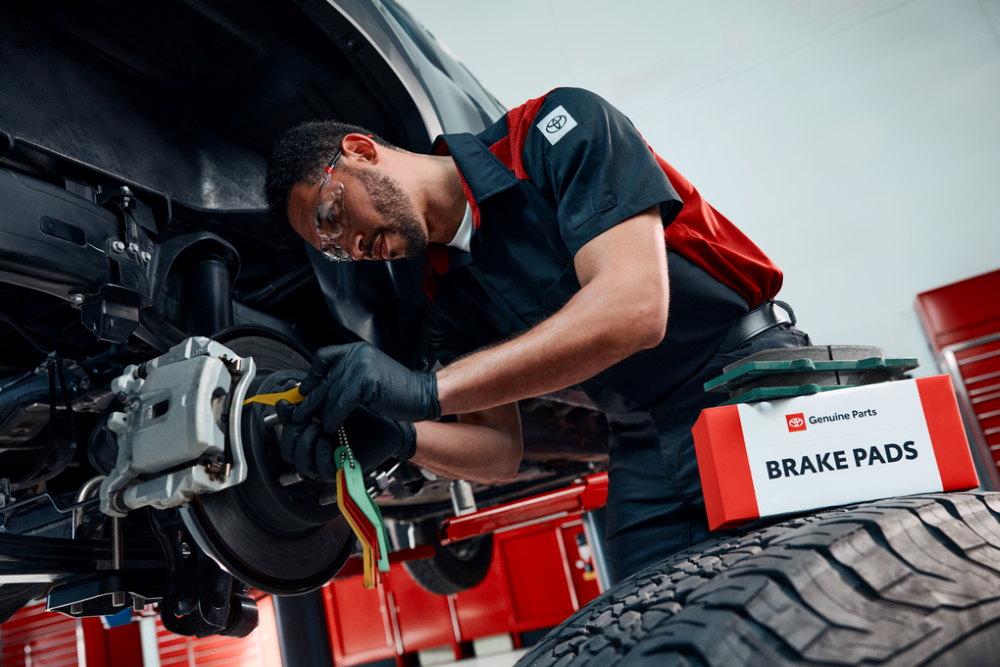
In areas like Gillette, where energy sector professionals frequently commute across the rolling plains of the Powder River Basin, vehicles are exposed to unique environmental challenges. The combination of long highway miles, gravel access roads, and industrial dust can cause fine particulates to settle in the brake assemblies. This abrasive buildup accelerates the wear on friction surfaces, making routine inspections a critical part of preventative vehicle care. Neglecting these early maintenance needs can lead to reduced stopping efficiency and more extensive mechanical issues over time.
At Fremont Toyota Sheridan, our team is dedicated to keeping your vehicle operating at its peak performance. We understand the specific demands that local driving conditions place on your vehicle's mechanical systems. If you suspect your vehicle is due for maintenance, you can find directions to our service center to have our specialists evaluate your system. You can also call our service department to speak with an advisor about any performance changes you have noticed.
Table of Contents
The Anatomy of a Braking System and How Its Components Work
Modern stopping systems rely on a complex network of hydraulic and mechanical components working in unison to slow and stop your vehicle. When you press the pedal, physical force is converted into hydraulic pressure by the master cylinder. This pressure is sent through steel lines filled with brake fluid to the wheels, where the mechanical work of stopping the vehicle takes place. Understanding how these individual parts interact helps illustrate why comprehensive maintenance is so important for long-term vehicle safety.
At each wheel, a hydraulic clamp known as the caliper houses the brake pads. When hydraulic pressure reaches the caliper, it forces internal pistons outward, squeezing the pads against both sides of the spinning brake rotors. This action creates intense friction, converting the kinetic energy of your moving vehicle into thermal energy, which slows the wheels. Over time, this constant heat and friction naturally wear down the sacrificial friction material on the pads, requiring them to be replaced to prevent damage to the metal rotors.
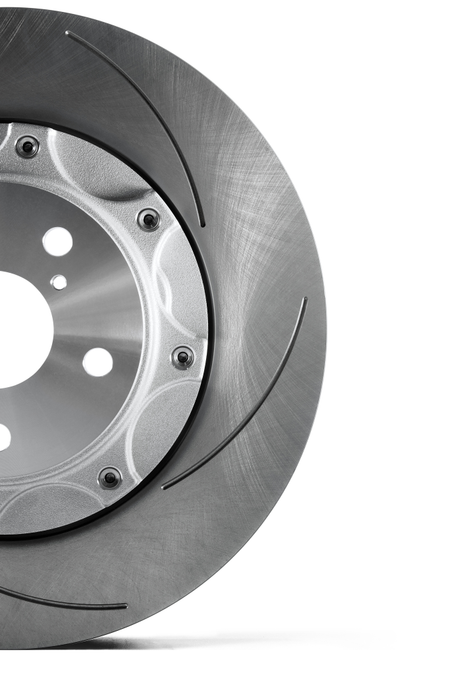
Because every component plays a vital role in the hydraulic circuit, a single failing part can compromise the entire system. For example, a slow fluid leak or worn internal seals in the master cylinder can lead to a drop in pressure, reducing your stopping capability. If you have questions about how your specific vehicle's stopping system operates or want to discuss maintenance intervals, you can reach out to our service advisors for detailed information and professional guidance.
Recognizing the Warning Signs of Brake Wear and Potential Failure
Recognizing the early warning signs of wear can prevent minor maintenance issues from developing into costly repairs or safety hazards. One of the most common indicators is a high-pitched squealing noise when applying pressure to the pedal. This sound is typically produced by a built-in metal wear indicator on the brake pads, designed to contact the rotor and alert the driver that the friction material has worn thin. Ignoring this squeal can lead to a harsh grinding noise, which indicates that the pad material is entirely gone and the metal backing plate is damaging the brake rotors.
Another critical warning sign is a change in the physical feel of the pedal. A soft or spongy pedal that sinks slowly toward the floorboard often points to air in the hydraulic lines or a fluid leak. Additionally, physical vibrations or pulsations felt through the steering wheel or pedal during deceleration usually indicate warped rotors. This uneven surface prevents the pads from making smooth, consistent contact, which is particularly noticeable during high-speed stops or when descending steep grades.
In communities like Buffalo, where drivers regularly descend the steep mountain passes of the Bighorn Mountains, these thermal stresses are highly pronounced. The prolonged braking required to maintain safe speeds on mountain descents generates extreme heat, which can quickly warp rotors and glaze pads if the system is already worn. To ensure your vehicle remains safe for these demanding routes, you can schedule a professional brake inspection with our certified team. While our technicians evaluate your vehicle, you can also experience modern safety systems firsthand by exploring the advanced active safety technologies on our newest models.
Analyzing Brake Repair Costs and the Factors That Influence Them
The cost of maintaining and repairing a vehicle's stopping system depends on several distinct variables, ranging from the specific components requiring replacement to the design of the vehicle itself. A standard service typically involves replacing the worn friction pads, but if the rotors have suffered deep grooving, warping, or have worn past their minimum safe thickness, they must be replaced as well. Choosing to replace pads and rotors together ensures optimal contact and performance, though it naturally increases the overall cost of the service.
The choice of replacement materials also plays a significant role in the final cost. Premium friction options, such as ceramic pads, generally carry a higher price point than standard semi-metallic alternatives. However, ceramic materials offer distinct advantages, including quieter operation, reduced dust accumulation, and exceptional durability under normal driving conditions. Conversely, heavy-duty vehicles or those used regularly for towing may benefit more from specialized semi-metallic compounds that excel at dissipating extreme heat, even if they wear slightly faster.
Labor requirements represent another variable, as complex multi-piston calipers or modern electronic parking brake systems require specialized tools and additional time to service correctly. During a routine service visit, our advisors provide transparent, detailed breakdowns of all parts and labor before any work begins on your vehicle. If you are considering transitioning to a different vehicle with lower overall maintenance requirements, you can explore our reliable pre-owned options to find a model that fits your driving habits and budget.
What to Expect During a Professional Multi-Point Brake Inspection
A professional safety evaluation goes far beyond a simple visual check of the wheel area. When you bring your vehicle to our service bay, our technicians perform a systematic, multi-point evaluation of the entire stopping system to identify current wear and anticipate future maintenance needs. We begin by lifting the vehicle and removing the wheels to gain unobstructed access to the friction components, measuring the precise thickness of the pads to ensure they remain well above the critical limit of about 1/8 inch.
Our technicians also perform the following checks during a standard evaluation:
- Measuring rotor thickness and checking for surface scoring, hot spots, or heat checking.
- Inspecting the calipers for proper piston movement, slide pin lubrication, and intact dust boots.
- Checking all flexible rubber hoses and steel lines for signs of cracking, dry rot, or fluid leaks.
- Testing the moisture content and overall condition of the hydraulic fluid in the reservoir.
- Verifying the operation of the mechanical parking brake system and electronic actuator components.
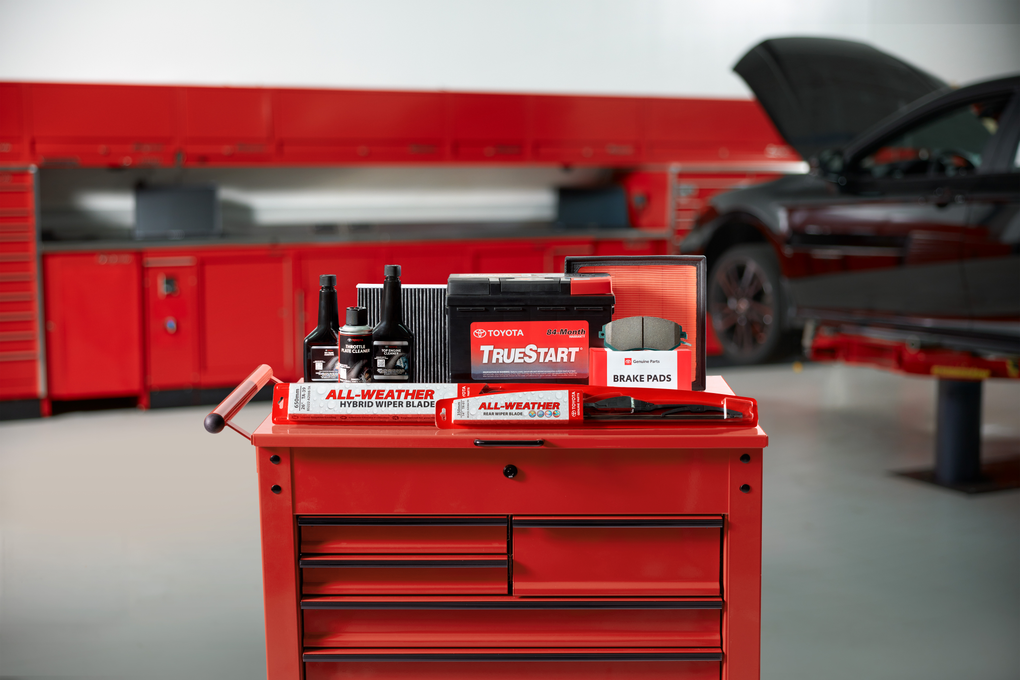
During a routine service walk-around, our technicians frequently show owners the exact thickness of their pads using a color-coded gauge. This visual demonstration helps clarify the difference between normal wear and urgent replacement needs, allowing you to make informed decisions about your vehicle's upkeep. Once the inspection is complete, we provide a comprehensive report detailing the health of each component and outlining any recommended services.
The Value of ASE-Certified Technicians and Genuine OEM Parts
Entrusting your vehicle's stopping system to qualified professionals is essential for ensuring consistent, safe performance. Technicians who hold National Institute for Automotive Service Excellence (ASE) certification have demonstrated a rigorous understanding of automotive physics, hydraulic systems, and modern electronic safety controls. This specialized training is particularly important when servicing advanced systems like the Anti-lock Braking System (ABS) and electronic stability control, which rely on precise sensor calibration to assist the driver during emergency maneuvers.
In addition to professional expertise, the quality of the replacement parts used during service directly impacts your vehicle's stopping distance and long-term durability. Genuine Original Equipment Manufacturer (OEM) components are engineered to meet the exact specifications of your vehicle, matching the weight, metallurgy, and dimensions of the factory-installed parts. Unlike generic aftermarket options, OEM parts undergo extensive testing to guarantee quiet operation, optimal heat dissipation, and seamless integration with your vehicle's safety systems.
Using factory-certified parts also preserves your vehicle's original engineering standards and warranty protections. Our service center utilizes these high-quality components exclusively to ensure that your vehicle stops exactly as the manufacturer intended. This commitment to quality craftsmanship and precise fitment provides long-term value, reducing the likelihood of premature wear, noise issues, or unexpected component failures down the road.
Proactive Brake Maintenance for Safe and Confident Driving
Taking a proactive approach to your vehicle's stopping system is the best way to ensure safety, maintain performance, and avoid unexpected repair expenses. Simple habits, such as avoiding sudden high-speed stops and allowing your vehicle to coast to a slower speed before applying the pedal, can significantly extend the lifespan of your friction components. Additionally, scheduling a visual inspection during every routine oil change or tire rotation allows technicians to identify uneven wear patterns early, before they damage pricey components like calipers or rotors.
Seasonal prep is also vital, especially before winter moisture and road chemicals begin to affect your vehicle's undercarriage. Corrosive road treatments can cause caliper slide pins to seize, leading to uneven pad wear and dragging brakes that reduce fuel efficiency. Ensuring your hydraulic fluid is fresh and free of moisture contamination is equally important, as water buildup in the lines can freeze or vaporize under heavy use, severely compromising your stopping power when you need it most.
Our dedicated team is ready to help you maintain your vehicle's safety through every season and terrain challenge. If you are experiencing any changes in stopping performance or simply want to verify the health of your system, please visit our physical location for a comprehensive evaluation. To discuss your maintenance schedule or ask specific questions, you can give our team a call today to speak directly with an expert advisor.
Common Questions About Brake Maintenance and Repair
Q How often should I have my brake fluid flushed?
Most manufacturers recommend replacing your hydraulic fluid every two years or roughly 20,000 miles to maintain optimal system pressure. Over time, the fluid naturally absorbs moisture from the air, which lowers its boiling point and can lead to internal corrosion of the calipers and master cylinder. Fresh fluid ensures consistent pedal feel and protects expensive hydraulic components from premature failure.
Q What is the difference between ceramic and semi-metallic brake pads?
Ceramic pads are composed of dense ceramic fibers and copper fibers, offering quiet operation, minimal dust, and excellent durability for daily commuting. Semi-metallic pads contain a high percentage of iron, steel, and copper, which allows them to dissipate extreme heat more effectively during heavy towing or mountain driving. The best choice depends on your vehicle class, cargo requirements, and typical driving terrain.
Q Can I just replace my brake pads and not the rotors?
It is sometimes possible to replace only the pads if the rotors are completely smooth, free of warping, and well above their minimum thickness specification. However, placing new flat pads on worn, uneven rotor surfaces can lead to rapid wear, squealing noises, and pedal pulsations. Our technicians always measure rotor condition to determine if resurfacing or replacement is necessary for a safe repair.
Q What does it mean if my brake pedal sinks slowly to the floor when I am stopped?
A sinking pedal typically indicates an internal hydraulic leak, such as worn seals inside the master cylinder, or air trapped within the fluid lines. This is a critical safety issue that reduces your vehicle's overall stopping power and requires immediate professional diagnosis. Driving with a sinking pedal is highly dangerous and should be addressed before operating the vehicle again.
Q Is roadside assistance available if my brakes fail while driving?
Yes, eligible owners can contact Toyota Roadside Assistance: 1-800-444-4195 for 24/7 emergency towing directly to our authorized service center. This manufacturer-backed service provides complete peace of mind, ensuring your vehicle is transported safely and repaired by factory-trained technicians using genuine parts.