

Reliable Auto Repair in Sheridan: Keeping Your Vehicle Ready for Wyoming Roads
Sheridan is located at the foothills of the Bighorn Mountains, where the transition from rolling plains to forested mountain terrain creates a demanding environment for any vehicle. Our team understands that reliability is not just a preference here; it is a necessity for navigating river valleys and open grasslands safely. Whether you are hauling gear for a weekend in the Bighorn National Forest or handling a daily commute, your vehicle requires precise mechanical attention to stay dependable through every season. We focus on providing straightforward, honest service that matches the practical needs of our community.
Maintaining a vehicle in northern Wyoming involves more than just occasional check-ups. The local geography demands that components like brakes, tires, and cooling systems operate at peak performance to handle elevation changes and varying road surfaces. Our certified technicians use their knowledge of local conditions to identify potential issues before they leave you stranded. If you are experiencing a new noise or a change in handling, you can reach us at (307) 763-5619 to discuss the symptoms with a professional.
We aim to make the maintenance process as transparent and convenient as possible for our neighbors. Keeping up with a factory-recommended schedule is the most effective way to ensure long-term value and safety. When your odometer hits a major milestone, you can book a service appointment online to have our team perform a multi-point inspection. For those looking to experience the latest in automotive reliability, we also invite you to try out a new model or evaluate a pre-owned vehicle to see how modern safety features handle our local terrain. If you are heading into town, our Coffeen Avenue location is easy to find and ready to serve you.
Common Vehicle Repairs and Maintenance Needs for Sheridan Drivers
Driving the gravel back roads around Buffalo often puts extra strain on a vehicle’s suspension and alignment, a reality many local ranchers and outdoor enthusiasts know well. Constant vibration and impacts from unpaved surfaces can lead to premature wear on struts, shocks, and ball joints. We frequently see vehicles requiring suspension recalibration to maintain proper tire contact with the road. If you feel a pull to one side or notice uneven tread wear, it is likely time for an alignment check to prevent more costly repairs down the road.
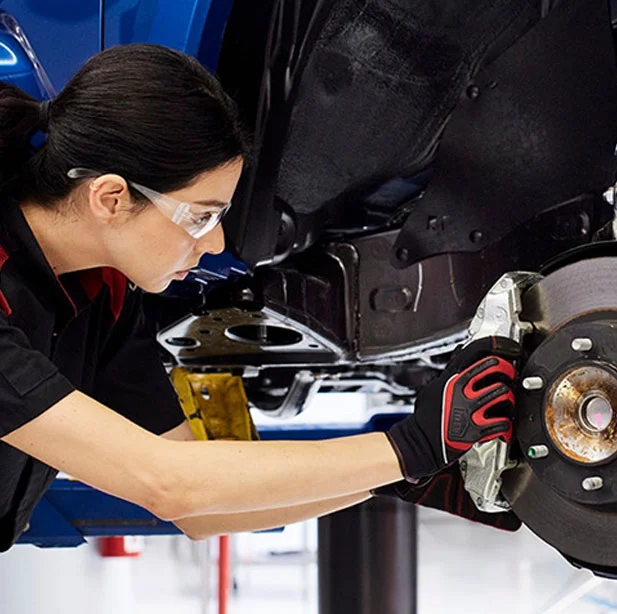
Brake system health is another critical priority due to the steep grades found in our region. Heat buildup during mountain descents can cause brake fade or warped rotors if the system is not properly maintained. Our standard brake pad replacement protocol involves matching the exact friction material composition specified for your vehicle model to ensure optimal heat dissipation. We recommend regular inspections of the calipers and fluid levels to ensure your stopping power remains consistent when descending from higher elevations.
Engine performance can also be affected by the high altitude in northern Wyoming. Thinner air means the engine must work harder to produce power, which can stress the cooling system and lead to oil breakdown. For those who frequently drive on dusty or unpaved roads, we suggest performing oil changes every 3,000 to 5,000 miles rather than waiting for longer intervals. This helps prevent abrasive dust from entering the engine and causing internal wear. If you have specific questions about how your vehicle is performing, you can send a message to our leadership team for a detailed consultation.
How Rugged Winters in Northern Wyoming Impact Your Vehicle's Maintenance Schedule
According to the Wyoming Department of Transportation, about 24% of all weather-related vehicle crashes in the United States occur on snowy, slushy, or icy pavement. In northern Wyoming, these conditions are a standard part of life from late autumn through early spring. The extreme cold can be particularly brutal on a vehicle's electrical system. O’Reilly Auto Parts in Sheridan specifically warns that a weak battery combined with freezing temperatures can cause a vehicle to fail to start. We recommend a cold-weather battery load test every autumn to ensure your battery has the cranking amps necessary to turn over an engine in sub-zero weather.
Tire pressure management is another safety essential during the winter months. As temperatures drop, the air inside your tires contracts, which often triggers the tire pressure monitoring system light. Low tire pressure on icy roads leads to longer stopping distances and reduced traction, making routine checks vital. Furthermore, the salt and de-icing chemicals used on our roads are highly corrosive. We advise frequent undercarriage washes during the winter to prevent rust from taking hold on the frame and brake lines.
For those who enjoy winter recreation, such as the 390 miles of snowmobile trails in the Bighorn National Forest, your tow vehicle needs specialized care. The over-snow vehicle season runs from December 1 through April 15, meaning your vehicle may spend months operating in sustained freezing conditions. This requires high-quality, cold-weather windshield washer fluid and a cooling system filled with the correct antifreeze concentration to prevent the engine block from cracking. If you find yourself in an emergency, remember that Toyota Roadside Assistance: 1-800-444-4195 is available to provide manufacturer-backed support for eligible vehicles.
Advanced Automotive Diagnostics and Factory Certified Training in Sheridan
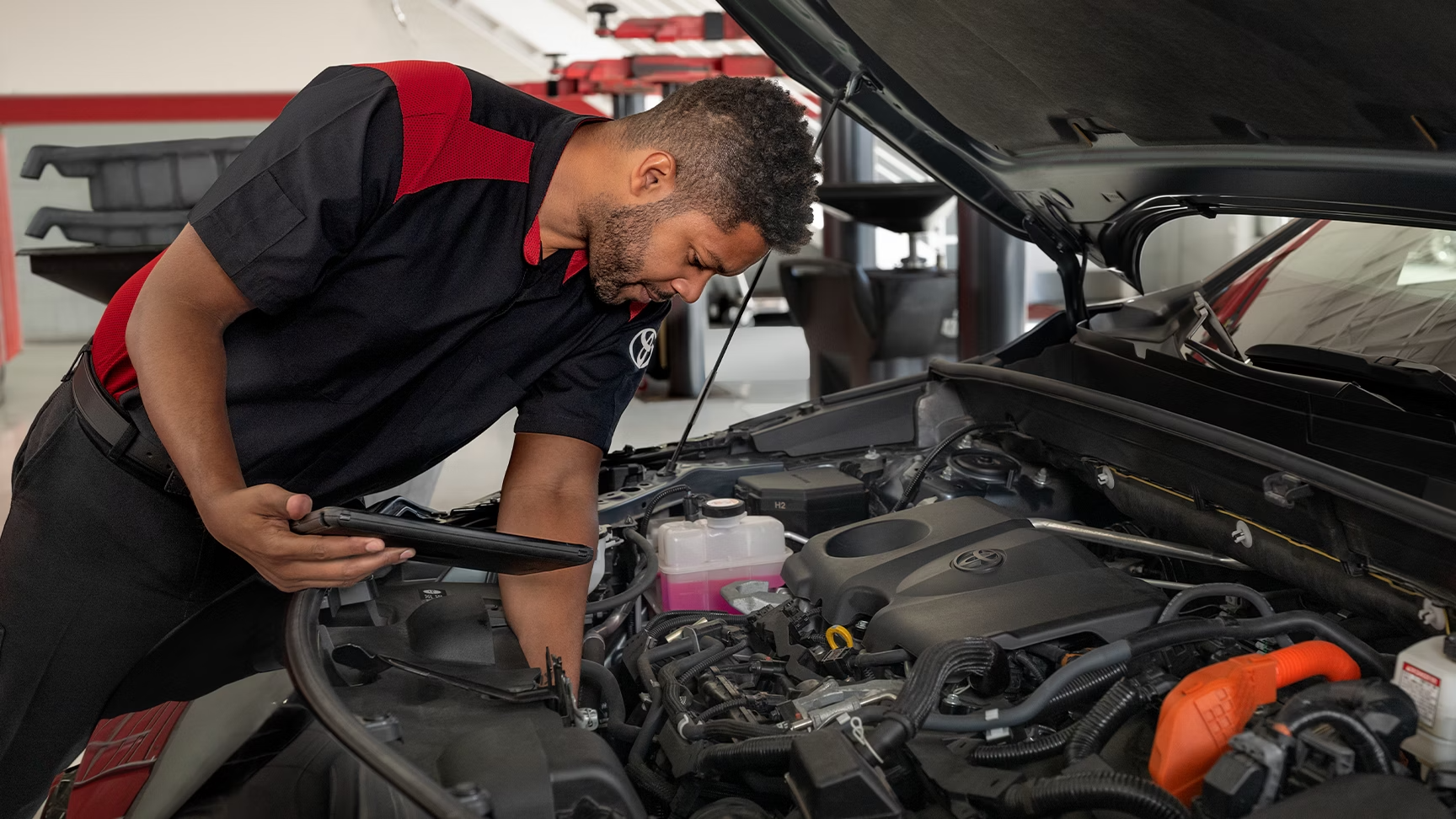
A common question we hear involves the difference between diagnostic capabilities and general vehicle maintenance. Our service center relies on the expertise of certified technicians who utilize advanced diagnostic equipment specifically calibrated for modern vehicle systems. This specialized equipment allows our team to identify issues quickly and accurately, avoiding the guesswork often associated with generalized diagnostic tools. Franchised dealerships provide brand-specific training and specialized tools that can pinpoint complex electrical or mechanical mechanical problems systematically.
Using genuine OEM parts ensures that every replacement component meets the exact design specifications of the original engineering, which is crucial for maintaining the responsiveness and longevity of the vehicle. For example, installing proper components ensures that advanced driver assistance systems like Toyota Safety Sense and electronic stability controls function exactly as intended. We perform thorough testing after every installation to verify that all safety systems interact seamlessly and operate at factory standards.
Accuracy and transparency are the foundation of our service department. We provide a detailed digital vehicle health report after every multi-point inspection, showing you exactly what requires immediate attention and what can be monitored for future visits. Our goal is to help you build a proactive maintenance plan, ensuring that routine upkeep today prevents unexpected mechanical failures while traveling through remote areas or navigating steep mountain passes.
How to Choose a Reputable Mechanic and Protect Your Factory Warranty
I often hear from drivers who worry that visiting a dealership for maintenance is their only option to keep a warranty intact. In reality, federal law protects your right to have routine maintenance performed at the shop of your choice without voiding your factory warranty. However, the quality of the work and the documentation you keep are vital. To protect your investment, you must ensure that the shop uses the correct fluids and parts and that you keep detailed receipts showing the date, mileage, and specific services performed.
When vetting a local shop, looking for ASE-certified technicians is a reliable way to verify professional competence. These certifications indicate that the mechanic has met rigorous industry standards for specific vehicle systems. A reputable shop will also stand behind its work with a clear guarantee. Many high-quality repair centers in our community offer at least a 12-month nationwide warranty on parts and labor, providing peace of mind even if you are traveling far from home.
Choosing a dealership like ours for your service needs offers the advantage of specialized knowledge and direct access to manufacturer recalls. Our technicians spend their days working on the same systems, allowing them to recognize patterns and common issues that a general mechanic might miss. We also automatically check for any outstanding safety recalls or technical service bulletins every time you visit. This proactive approach ensures your vehicle stays updated with the latest factory improvements and safety standards.
Quick Answers Before You Visit
Q: Does the high altitude in northern Wyoming affect my engine's performance?
Higher elevations result in lower air density, which can reduce horsepower and may require specific adjustments to the air-fuel mixture in older vehicles. Modern vehicles use electronic sensors to adjust for these changes automatically, but the engine still works harder to maintain speed on mountain grades. Regular air filter replacements are essential to ensure the engine gets as much clean air as possible.
Q: How often should I change my oil if I frequently drive on dirt or gravel roads?
Dust is a major enemy of engine longevity. If you spend significant time on unpaved roads around the foothills, we recommend changing your oil and filter every 3,000 to 5,000 miles. This prevents the buildup of abrasive particles that can bypass the air filter and contaminate the oil, leading to internal engine wear.
Q: Can an independent shop service my car without voiding the manufacturer warranty?
Yes, routine maintenance performed at an independent shop does not void your warranty as long as the work is documented and the correct parts are used. However, warranty repairs for factory defects must be performed at an authorized dealership. We recommend keeping a folder of all service records to prove the vehicle was maintained according to the factory schedule if you ever need to make a warranty claim.
Q: Why does my tire pressure light come on every time the temperature drops?
For every 10-degree drop in temperature, tire pressure can decrease by about one pound per square inch. In our cold climate, this often triggers the sensor. We recommend checking your pressure manually with a gauge during the winter months and filling the tires to the levels listed on the sticker inside your driver-side door frame.
Q: Is it worth driving to a larger hub like Billings for major repairs?
While Billings serves as a regional urban hub, Sheridan offers highly specialized, factory-certified service right here at home. Choosing a local provider saves you the time and fuel of a long drive and allows you to build a relationship with a team that understands exactly how you use your vehicle in our specific climate. If you need assistance finding us, you can view our location details or give us a quick call to discuss your repair needs.